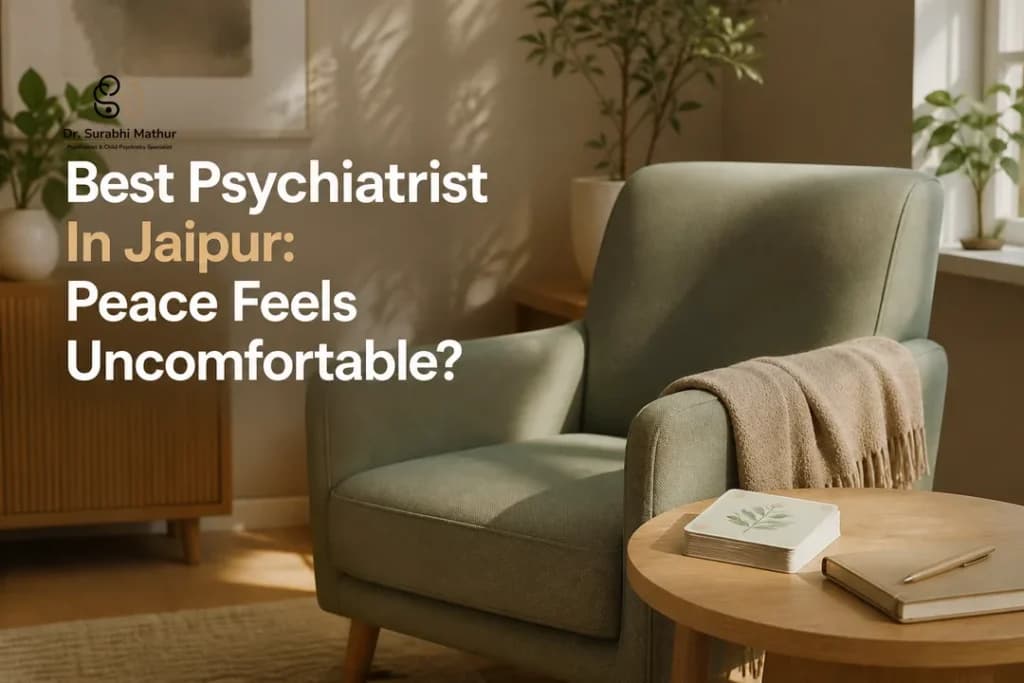
Why Do Some People Feel Uncomfortable When Life Finally Becomes Peaceful? In my clinic work as a mental health team in Jaipur, I often hear this in different words, and many people start by searching for the best psychiatrist in jaipur because they feel “wrong” for not enjoying calm. This article explains why peace can feel unsettling, what it may signal, and what you can do to feel safe in the quiet again.
Why Calm Can Feel Threatening to the Nervous System
Peace should feel good, yet your body may react as if danger is near. That mismatch can confuse you. However, it often makes sense when you look at how the nervous system learns.
When you live with long stress, your brain adapts for survival. As a result, it becomes excellent at scanning for problems. Then, when the stress drops, the body may still stay on “high alert.”
When Hypervigilance Becomes Your Baseline
Hypervigilance means your mind keeps watching for threat. Importantly, it can persist even when life improves. In fact, many people notice it right after a breakup ends, exams finish, or a conflict resolves.
Moreover, your brain may treat calm as unfamiliar. Familiar does not always mean healthy. It often only means “what I know.”
Peace Can Feel “Wrong” If Chaos Felt Normal
If you grew up around conflict, unpredictability, or criticism, stability can feel strange. Therefore, your body may label quiet as suspicious. You might think, “Something bad will happen any minute,” even when nothing points to that.
Similarly, people who have lived with chronic anxiety sometimes miss the intensity of constant problem-solving. They do not miss pain. They miss the sense of control that vigilance used to give them.
Best Psychiatrist In Jaipur: Common Causes Behind It
Several patterns can make peace feel uncomfortable. Notably, they can overlap. Also, none of them mean you are “broken.”
Anxiety, OCD, And The Fear Of Letting Your Guard Down
With anxiety disorders, worry can become a habit loop. Consequently, your mind looks for “the next issue” even on a good day. If you try to stop worrying, you may feel exposed.
With OCD, the discomfort can feel sharper. For instance, intrusive thoughts may intensify when life quiets down. Then, compulsions can return as a false safety behavior. For reliable, symptom-level information, you can review OCD basics at the National Institute of Mental Health OCD overview.
In Jaipur, people often ask whether this means they need medication forever. However, treatment plans vary. Many individuals improve with a mix of CBT, exposure-based work for OCD, lifestyle support, and medication when clinically indicated.
Depression, Emotional Numbness, And “I Don’t Deserve Calm” Beliefs
Depression does not always look like crying. Sometimes it looks like emptiness when life improves. As a result, peace can feel flat or undeserved.
In addition, guilt-based thinking can appear after you finally get rest. You might feel selfish for relaxing. This is common in caregivers, high achievers, and people who have carried family responsibilities for years.
Trauma Memory And The “Other Shoe Will Drop” Feeling
After trauma, the brain can store danger cues in a way that keeps the body prepared. Therefore, quiet can trigger alarm rather than relief. You may notice sleep issues, irritability, or sudden panic with no clear cause.
For example, some people feel anxious when their phone stays silent, because silence once meant abandonment or sudden bad news. That reaction is real, even when your current life is safe.
Signs It’s More Than A Phase (And When To Seek Help)
Some discomfort after a stressful chapter can settle on its own. Still, you should take certain signs seriously. Above all, seek support if the symptoms reduce your daily functioning.
Here are red flags that suggest a professional assessment may help:
- Sleep stays disturbed for weeks, including early waking or racing thoughts at night.
- Panic symptoms appear during quiet moments, such as weekends or after work.
- Compulsions or checking increase when life feels stable.
- Persistent low mood, numbness, or loss of interest, even after the stressor ends.
- Relationship strain because you create conflict to “feel something” or to test safety.
Importantly, only a clinician can diagnose conditions like OCD, bipolar disorder, psychosis, or trauma-related disorders. That said, recognizing patterns early often makes treatment simpler.
If you want to explore care options, you can start with Dr. Surabhi Mathur’s psychiatry and counseling services in Jaipur for a confidential first discussion.
Best Psychiatrist In Jaipur: How Treatment Helps You Trust Peace
Effective care focuses on retraining both mind and body. Therefore, it usually combines skills, insight, and practical routines. For many people, “feeling safe” becomes a learnable experience again.
CBT, Exposure, And Skills That Retrain The Alarm System
Cognitive Behavioral Therapy helps you notice the thoughts that spike discomfort. Next, it teaches you to test those thoughts with evidence. Over time, your brain learns that calm does not equal danger.
For OCD, structured exposure and response prevention (ERP) often forms the core of care. In contrast, reassurance and repeated checking keep the loop alive. The American Psychological Association’s anxiety resources explain how anxiety patterns maintain themselves and why skills-based treatment matters.
In our clinical work with people seeking anxiety treatment in Jaipur, we repeatedly see one turning point. Clients stop trying to “feel calm” instantly. Instead, they practice tolerating calm in small doses. Then the body follows.
Medication Management When Symptoms Block Daily Life
Sometimes symptoms run too strong for therapy alone at the start. In that case, a psychiatrist may suggest medication to reduce intensity. This can help you sleep, focus, and participate in therapy.
However, medication is not a one-size solution. Your doctor considers side effects, medical history, pregnancy plans, and other medicines. Moreover, follow-ups matter because doses often need adjustment.
For evidence-based background on mental health conditions and treatments, see the Mayo Clinic’s overview of anxiety symptoms and causes. It also notes that anxiety can persist without an obvious trigger, which matches what many people feel during peaceful periods.
Life-Design Work: Sleep, Routines, And Relationships
Peace feels safer when your body predicts your day. Therefore, routines help more than people expect. Consistent sleep timing, regular meals, and movement send “stability signals” to the brain.
In addition, relationship counseling can reduce the urge to test people or start conflict. Couples often do better when they learn to name the fear underneath the irritation. That is why psychotherapy in Jaipur often includes communication work, not just symptom tracking.
If you are looking for a starting point, visit Dr. Surabhi Mathur’s mental wellness clinic information to understand consultation options.
Practical Ways To Feel Safer In Quiet Moments
You can begin retraining your response to calm at home. First, keep the steps small. Then repeat them until your body learns the new normal.
Try these approaches for one to two weeks:
- Name the pattern. For example: “My mind expects danger when life gets quiet.”
- Schedule “calm exposure.” Start with 5 minutes of sitting in silence, then increase slowly.
- Use grounding cues. Notice five things you can see, four you can feel, and three you can hear.
- Limit reassurance loops. If you feel the urge to check, pause and delay by 10 minutes.
- Track triggers gently. Note what time and situation worsens discomfort, without judging yourself.
Meanwhile, watch for “peace saboteurs” like doom-scrolling or late-night caffeine. Those habits keep your body activated. As a result, quiet can feel harder.
Also, consider whether headaches, stomach upset, or fatigue spike during calm. Stress can show up physically. In that case, a psychiatric consultation in Jaipur can help you separate anxiety symptoms from other health issues.
Finally, remember a key nuance. Peace can feel uncomfortable for many reasons, and results vary depending on history, biology, and support. Still, with the right plan, most people can learn to enjoy calm rather than fear it.
When you feel unsettled in a stable phase, you are not failing. You are adjusting. With guidance from the best psychiatrist in jaipur and the right therapy tools, you can teach your nervous system that safety is allowed.
Consult Dr. Surabhi Mathur
Consult Dr. Surabhi Mathur today and take the first step toward healthier thoughts and emotional well-being.
Contact Information
 Phone: 83089 20744
 Hospital Address: Santokba Durlabhji Memorial Hospital
Clinic Address: VS MediHUB, Jaipur
This article is general information, not a diagnosis or treatment plan. Please consult a psychiatrist about your own situation. Read our medical disclaimer and editorial policy.