Introduction
Ever had a thought that wouldn’t go away—no matter how much you tried to ignore it? Imagine if that thought made you wash your hands 50 times a day or check if the door was locked every five minutes. That’s not just being “too careful.” That’s Obsessive-Compulsive Disorder (OCD)—a condition that’s often misunderstood and painfully real.
If you or someone you love is quietly struggling with OCD in Jaipur, Dr. Surabhi Mathur offers a safe, professional space to heal—without judgment, and with complete understanding.
What is OCD (Obsessive-Compulsive Disorder)?
This condition is a mental health disorder marked by obsessive thoughts and compulsive behaviors that ease anxiety, though temporarily.
Definition and Misconceptions
Many people think OCD is just about cleanliness or being organized. In reality, it’s much deeper and more emotionally exhausting than that.
Common Symptoms of OCD
-
- Fear of contamination
-
- Doubts about safety or harm
-
- Aggressive or taboo thoughts
-
- Repetitive behaviors like checking, counting, or arranging
-
- Compulsive mental rituals like repeating phrases or prayers
Different Types of OCD
-
- Contamination-related fears: Involving germs, dirt, or illness
-
-
Repeated checking: Obsessive doubts about safety, such as whether a door was locked
-
-
- Harm OCD: Fear of causing harm to self or others
-
- Symmetry/Order OCD: Need for items to be arranged “just right”
-
- Pure-O: Obsessions without visible compulsions
Emotional Impact of OCD
The Inner Turmoil of Intrusive Thoughts
People with OCD know their thoughts are irrational—but they can’t just “snap out of it.” This creates guilt, shame, and emotional fatigue.
How OCD Affects Daily Life
-
- Delays at work or school
-
- Strained relationships
-
- Constant mental exhaustion
-
- Reduced confidence and self-esteem
Myths vs. Reality of OCD
“It’s Just a Quirk” – Why That’s Harmful
OCD isn’t a funny character trait—it’s a disorder that takes over someone’s life.
Breaking the Stereotypes
Many sufferers hide their condition to avoid being seen as “crazy” or “weird.” But with the right help, they can lead fulfilling, balanced lives.
Why Early Treatment is Crucial
Preventing OCD from Worsening
Untreated OCD can spiral into severe anxiety, depression, and even suicidal thoughts. Early help makes a big difference.
Emotional and Psychological Relief
Relief comes not just from stopping the behavior, but from calming the storm in the mind. Therapy helps you live, not just cope.
OCD in Jaipur – The Silent Struggle
Stigma Around Mental Health
Despite growing awareness, many in Jaipur still hesitate to talk about mental illness due to social judgment or lack of knowledge.
The Need for Trusted Professionals
That’s why specialists like Dr. Surabhi Mathur are so important—offering discreet, effective care with zero stigma.
Meet Dr. Surabhi Mathur – Specialist in OCD Treatment
Over a Decade of Experience
Dr. Surabhi has guided countless individuals in Jaipur through recovery, blending clinical expertise with heartfelt compassion.
A Warm, Patient-Centered Approach
She listens deeply, understands the pain behind the behaviors, and never rushes the healing process.
Special Focus on OCD and Anxiety Disorders
Her approach blends therapy, science, and empathy—making her one of the most trusted names in mental health in Jaipur.
Treatment Approaches for OCD
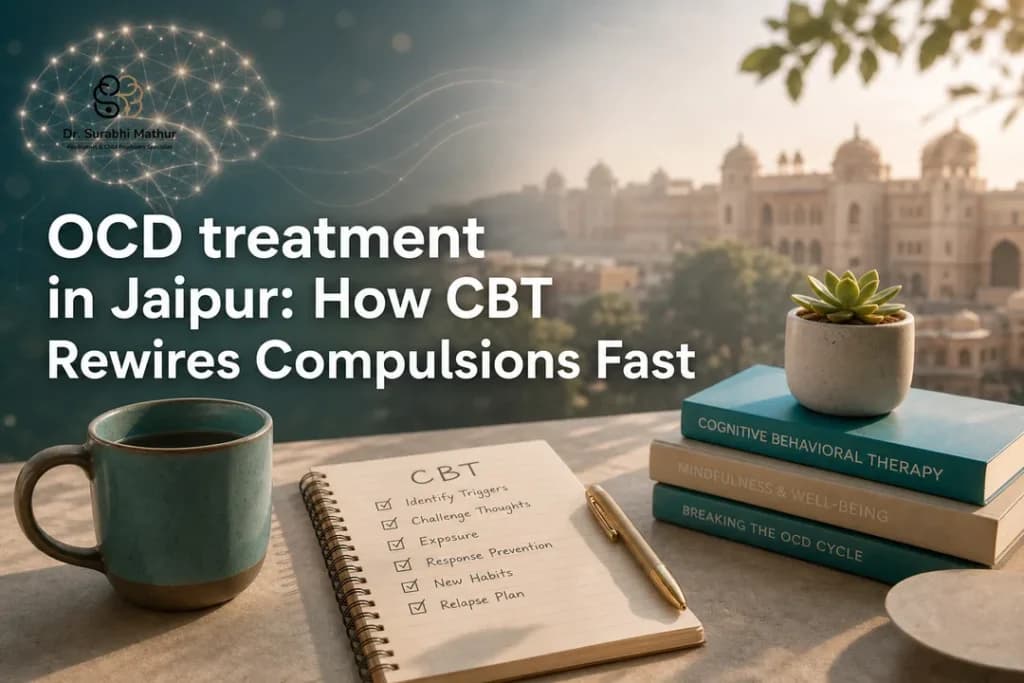
Cognitive Behavioral Therapy (CBT)
Helps change the thought patterns that fuel compulsive behaviors.
Exposure and Response Prevention (ERP)
The gold standard for OCD—this method helps people face their fears gradually without giving in to compulsions.
Medications
For severe or persistent OCD, Dr. Surabhi may prescribe SSRIs or other medications, carefully monitored for side effects and progress.
Dr. Surabhi’s Tailored OCD Treatment Plans
Identifying the Root Thought Patterns
Each patient is different. Dr. Surabhi digs deep to understand personal triggers and experiences.
Teaching Tools to Regain Control
From breathing techniques to thought restructuring, her tools are practical and empowering.
Personalized Recovery Timelines
No pressure, no deadlines—just consistent progress, guided with care.
The Role of Family and Support Systems
How Loved Ones Can Help
-
- Be patient, not pushy
-
- Learn about OCD to better understand behaviors
-
- Support treatment without judgment
Dos and Don’ts
-
- Do encourage therapy
-
- Don’t enable compulsions
-
- Do listen
-
- Don’t dismiss their struggles
Online and In-Clinic Sessions Available
Convenience for Busy Lives
Whether you’re a student, parent, or working professional, you can access care at your pace.
Continued Support Without Leaving Home
Get the same compassionate guidance through secure online consultations.
Success Stories from Jaipur
Real Patients, Real Recoveries
From years of suffering in silence to finally experiencing peace—patients share how Dr. Surabhi changed their lives.
From Daily Distress to Empowered Living
One small step into her clinic has led to big life changes for many.
Self-Help Strategies for Managing OCD Symptoms
Mindfulness and Thought Journaling
Write it out. Acknowledge the thoughts without judgment. Stay present.
Reducing Triggers Through Lifestyle Adjustments
Balanced diet, proper sleep, and limited screen time play a big role in mental wellness.
When to Seek Immediate Help
Identifying Red Flags
-
- Severe distress or suicidal thoughts
-
- Inability to carry out daily tasks
-
- Constant mental rituals or physical compulsions
The Importance of Prompt Intervention
Don’t wait. OCD is highly treatable, especially when caught early.
Conclusion
OCD is not your fault. It’s not something you can control on your own—and you don’t have to. With the right care, support, and expert guidance from Dr. Surabhi Mathur, you can break free from the cycle of obsessions and compulsions. Healing is not just possible—it’s closer than you think. Let today be the first step toward your peace of mind.
Contact Information:
Phone: 78499 09109
Clinic Address : 1st Floor, 28 Shiv Shakti Nagar, near Bharat School, Nirman Nagar, Jaipur, Rajasthan 302019
This article is general information, not a diagnosis or treatment plan. Please consult a psychiatrist about your own situation. Read our medical disclaimer and editorial policy.