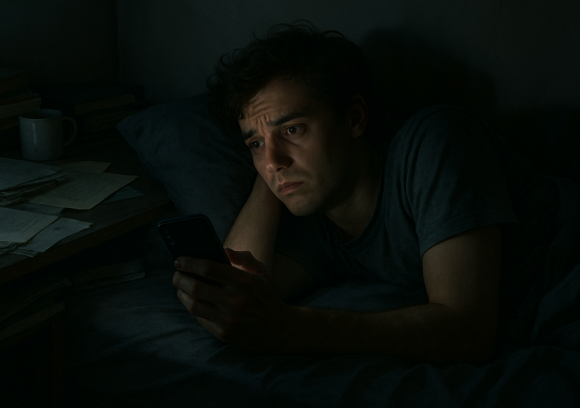
Depression is more than just feeling sad or having a bad day it’s a deeply affecting mental health condition that can quietly impact every part of a person’s life. It often shows up as constant low mood, a loss of interest in things once enjoyed, fatigue, changes in sleep or appetite, and feelings of hopelessness. For many, it becomes hard to explain or even recognize. The good news is that with the right care, support, and treatment, depression can be managed and even fully overcome. Healing doesn’t happen overnight, but taking that first step toward help can make all the difference.
Anxiety is a natural response to stress but when it starts to interfere with daily life, it can become overwhelming. It may show up as constant worry, restlessness, racing thoughts, or even physical symptoms like a fast heartbeat and difficulty breathing. Many people with anxiety struggle silently, often trying to “push through” without realizing help is available. The truth is, anxiety is common and highly treatable. With the right support, whether through therapy, lifestyle changes, or clinical care, it’s absolutely possible to regain a sense of calm, control, and confidence in everyday life.
Insomnia is more than just an occasional restless night it’s a persistent difficulty in falling asleep, staying asleep, or waking up too early and not feeling refreshed. Over time, poor sleep can take a serious toll on mental, emotional, and physical health. People struggling with insomnia often experience fatigue, irritability, difficulty concentrating, and a lowered quality of life. While it can feel frustrating and exhausting, effective treatments are available. With the right approach, including therapy, healthy sleep habits, and medical support when needed, restful nights and better days are within reach.
ADHD, or Attention-Deficit/Hyperactivity Disorder, is a neurodevelopmental condition that affects a person’s ability to focus, manage impulses, and stay organized. It often appears in childhood but can continue into adulthood. People with ADHD may struggle with restlessness, forgetfulness, or difficulty completing tasks — but with the right guidance, structure, and support, they can thrive both academically and personally. Early diagnosis and a personalized treatment plan can make a significant difference in daily life.
Obsessive-Compulsive Disorder (OCD) is a mental health condition where a person experiences unwanted, recurring thoughts (obsessions) and feels the urge to perform repetitive actions or rituals (compulsions) to ease the anxiety they cause. These patterns can become overwhelming and interfere with daily life. OCD isn’t about being “neat” or “organized” — it’s a serious condition that requires understanding and proper treatment. With therapy, especially CBT, and compassionate care, individuals can learn to manage symptoms and reclaim control over their thoughts and routines.
Psychosis is a mental health condition where a person may lose touch with reality, often experiencing hallucinations (seeing or hearing things that aren’t there) or delusions (strong beliefs that aren’t based in reality). It can be frightening and confusing — both for the individual and their loved ones. Psychosis is not a permanent state and can be effectively treated with the right medical care, therapy, and support. Early intervention plays a key role in recovery and long-term stability.
Child psychiatry focuses on the emotional, behavioral, and mental health needs of children and adolescents. Young minds can face challenges like anxiety, ADHD, mood swings, or developmental delays that impact their growth and daily life. Early support through counseling, therapy, and tailored interventions can help children build resilience, confidence, and emotional well-being for a brighter future.
Autism, or Autism Spectrum Disorder (ASD), is a developmental condition that affects how a person communicates, interacts, and experiences the world around them. Every individual with autism is unique — while some may have difficulty with social interactions or sensory sensitivities, others might show exceptional strengths in specific areas. Autism is not an illness to be “cured,” but a different way of experiencing life. With early support, understanding, and personalized therapies, individuals with autism can thrive, build meaningful connections, and lead fulfilling lives. Acceptance, patience, and encouragement make all the difference
A learning disability affects the way a person processes information, making tasks like reading, writing, math, or comprehension more challenging. It doesn’t mean someone isn’t intelligent — it simply means they learn differently. With early support, personalized strategies, and encouragement, individuals with learning disabilities can achieve their full potential and lead successful, fulfilling lives.
Speech disorders affect a person’s ability to speak clearly, fluently, or express themselves effectively. This may include difficulty with articulation, voice, or rhythm of speech. While these challenges can impact communication and confidence, speech therapy and early intervention can significantly improve clarity and expression, helping individuals communicate with ease and confidence.
Headaches are one of the most common health complaints and can range from mild discomfort to intense, disabling pain. They may be triggered by stress, lack of sleep, emotional strain, or underlying medical conditions. While occasional headaches are normal, frequent or severe headaches deserve attention. With proper diagnosis and personalized care, it’s possible to find relief and improve overall quality of life.
Sexual problems can affect emotional well-being, self-esteem, and relationships. They may include issues like low desire, performance anxiety, difficulty achieving satisfaction, or intimacy challenges. These concerns are common and nothing to be ashamed of. With the right support, open communication, and professional care, individuals and couples can rebuild confidence, improve intimacy, and enjoy healthier relationships.
Marriage is a beautiful bond, but sometimes couples face challenges like misunderstandings, trust issues, or emotional distance. Marriage Counselling helps partners improve communication, resolve conflicts, and rebuild trust. With professional guidance, couples can strengthen their relationship and find happiness together.
Pregnancy and motherhood bring joy but can also cause emotional challenges like depression, anxiety, or stress. Perinatal Psychiatry helps women during pregnancy and after childbirth with specialized care, counselling, and safe treatments. With timely support, mothers can overcome struggles and enjoy a healthier bond with their baby.
Aging brings unique challenges like memory loss, depression, anxiety, and loneliness. Geriatric Psychiatry provides specialized mental health care for elderly individuals, helping them maintain dignity, emotional well-being, and a better quality of life. With the right support, seniors can live healthier and happier lives.
Phobias are intense and irrational fears of certain objects, situations, or environments. Unlike normal fear, they cause extreme anxiety, panic attacks, and avoidance behavior. Common examples include fear of heights, flying, social situations, or open spaces. Left untreated, phobias can limit personal, social, and professional life. With proper counselling and therapy, individuals can gradually overcome their fears and regain control over daily living.
In today’s digital world, excessive use of the internet, smartphones, and social media has led to a rise in cyber addiction. It can cause problems like poor concentration, disturbed sleep, anxiety, and strained relationships. Many individuals feel restless without gadgets, spend long hours online, or struggle to balance virtual and real life. Cyber addiction affects not only mental health but also productivity and social well-being. With counselling and therapy, individuals can regain control, set healthy boundaries, and build a balanced lifestyle.
Substance use and addiction affect both the body and mind, leading to dependency on alcohol, drugs, or other harmful substances. Over time, addiction can damage health, relationships, and overall quality of life. Individuals may experience withdrawal symptoms, mood swings, anxiety, and difficulty controlling usage. With timely psychiatric care, counselling, and rehabilitation support, recovery is possible. The right treatment helps people overcome dependency, restore balance, and build a healthier, addiction-free future.
Social and emotional health issues often arise from excessive use of digital devices and social media, leading to problems like anxiety and poor sleep. Cyber addiction can cause difficulty in focusing and strained relationships. Many people feel restless without their gadgets and struggle to balance online and real life. These issues affect mental well-being and productivity. Counseling and therapy can help individuals set boundaries and regain control for a healthier lifesty